The Battery Aisle Decoded: 18650, 21700, and Why Your Local Shop Asks More Questions Than Argos
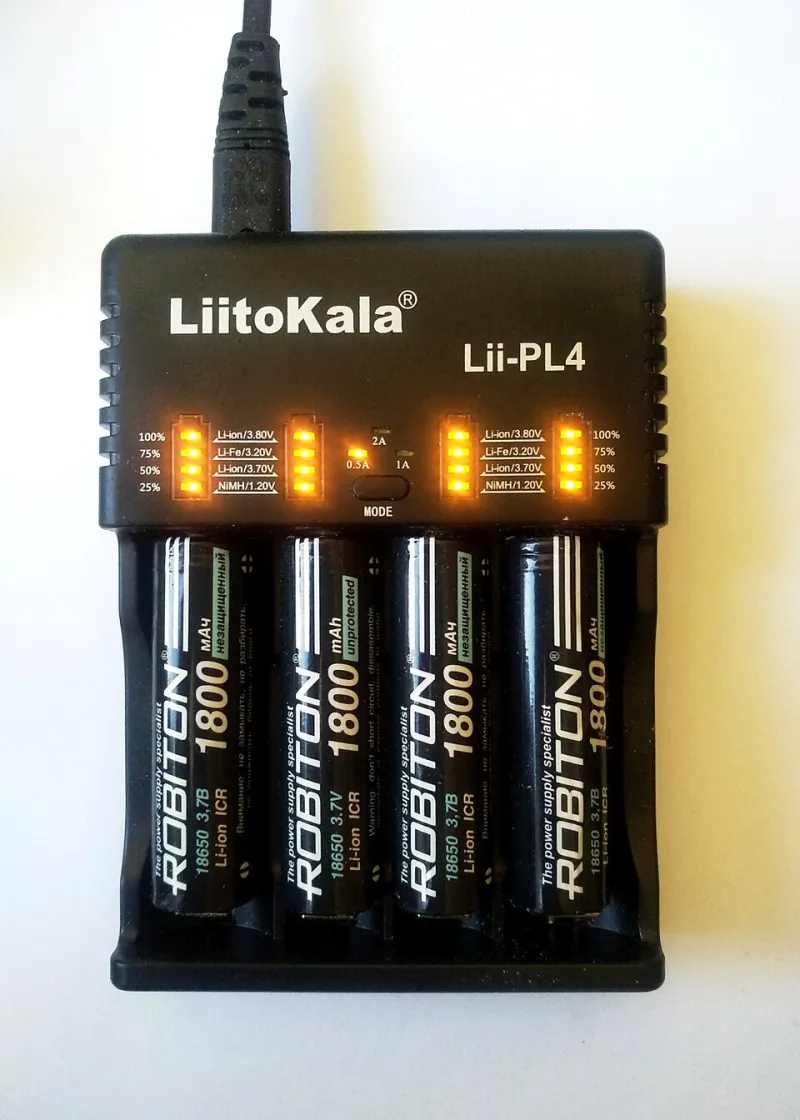
Photo: Retired electrician, CC0, via Wikimedia Commons
Walk into any decent UK vape shop and ask for 'a battery', and you'll notice something odd. The person behind the counter doesn't just hand you one. They ask questions. What device have you got? How do you vape? Do you know what wattage you run at?
It can feel a bit like being quizzed at the off licence. But unlike buying a four-pack, getting battery questions wrong can actually matter — so let's decode the whole thing.
The Numbers Actually Mean Something
Those odd figures — 18650, 21700, 20700 — aren't model names. They're measurements. An 18650 cell is 18mm wide and 65mm long. A 21700 is 21mm by 70mm. That's it. Simple.
The 18650 has been the workhorse of removable-battery vapes for years. It fits most mods, it's widely available, and it's usually the cheapest option. The 21700 is the newer, chunkier sibling: physically bigger, which means more capacity — often 3,000mAh or more versus a typical 2,500mAh 18650. If your mod takes either, a 21700 will generally last longer between swaps.
Amp Ratings: The Bit Everyone Ignores
Here's where the counter questions start making sense. Every battery has two key specs: capacity (mAh) and continuous discharge rating, measured in amps. Capacity is how long it lasts. Amp rating is how hard you can push it.
Run a high-wattage device with a battery that can't deliver the current, and you're not just facing a flat cell — you're asking it to overheat. Reputable cells from names like Molicel, Samsung, Sony/Murata, and Sanyo publish honest ratings. Unbranded bargain-bin cells from market stalls? They don't, and that should tell you everything.
A rough rule of thumb: sub-ohm vaping at higher wattages needs a higher amp-rated cell, even if the capacity looks smaller. If you're unsure, that's exactly what the shop is for.
The UK Rules Around Selling and Storing
Batteries sold in the UK have to comply with general product safety regulations, and reputable retailers only stock cells from established manufacturers with proper certification. You'll also notice good shops won't sell loose batteries in a way that lets them rattle around loose with keys and coins — a shorted lithium cell is no joke.
On your end, storage matters. Keep spare cells in plastic battery cases, never loose in a pocket with metal objects. Check wraps for tears; a damaged sleeve can be re-wrapped cheaply, but a damaged cell should be binned (responsibly — most shops and recycling points take them). And since 2020-ish rules around lithium battery disposal have tightened, tossing them in household waste is both risky and, increasingly, not allowed.
Your First-Timer Checklist
Standing confused at the counter? Run through this:
- Know your device. Photo of the battery compartment, or just bring the mod.
- Ask about amp rating, not just mAh. Bigger numbers on capacity mean nothing if the discharge rating is wrong for your setup.
- Buy pairs. Dual-battery mods perform best with matched cells from the same batch.
- Get a case. A pound or two well spent.
- Stick to known brands. If the wrapper looks like it was designed in Microsoft Paint, walk away.
The questions your local shop asks aren't upselling theatre — they're the difference between a battery that suits your vaping and one that sulks, drains fast, or worse. Answer honestly, and you'll leave with the right cell and probably a decent chat too.