Ghost in the Machine: Understanding Why Your Vape Fires All By Itself
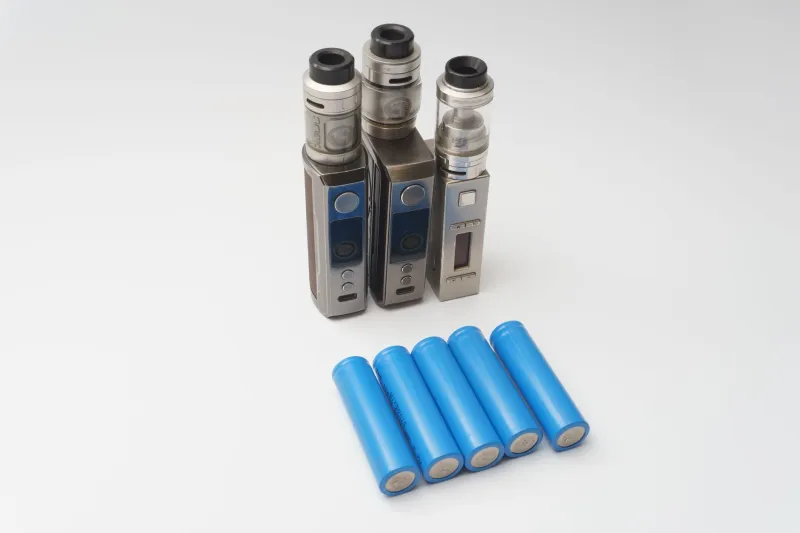
You're sitting on the sofa, device resting on the armrest, and suddenly — out of nowhere — you hear the familiar buzz of your vape firing. Nobody touched it. Nothing knocked it. It just... went off on its own.
If that sounds familiar, you've experienced what the vaping community calls auto-firing. It's unsettling, it can be genuinely dangerous, and it's far more widespread than most retailers will openly admit. Let's break down exactly what's happening, which devices are most prone to it, and what you should actually do when it occurs.
What Actually Causes Auto-Firing?
At its core, auto-firing happens when a device activates its heating element without any deliberate input from the user. But the reasons behind that unintended activation vary quite a bit depending on the type of device you're using.
Stuck or damaged fire buttons are probably the most common cause on box mods and pen-style devices. Over time, buttons can become gummed up with pocket lint, e-liquid residue, or general grime. In some cases, a cheaper button mechanism simply wears out and gets physically stuck in the depressed position. The device thinks you're holding it down — so it fires accordingly.
Flooded or contaminated sensors are the main culprit in draw-activated devices — the kind you inhale to activate rather than press a button. These sensors are designed to detect the tiny change in air pressure when you take a puff. The problem is that e-liquid can seep into the sensor housing, either through a leak or from condensation, and trick it into registering a draw that never happened. Cheap disposables are particularly prone to this.
Short circuits within the device are a more serious cause. If internal wiring is poorly insulated, if a coil has shifted, or if a mod's battery connection has become compromised, the device can complete a circuit unintentionally. This is the scenario that moves auto-firing from an annoyance into a genuine safety hazard.
Software or chip glitches affect regulated mods specifically. Most modern box mods run on a small chipset that manages power output, safety cut-offs, and firing logic. A firmware bug or a failing chip can occasionally cause the device to misread its own state and initiate a firing cycle without input.
Which Devices Are Most at Risk?
Honestly? All categories have their vulnerabilities, but they're not equal.
Disposable vapes and low-cost pod systems with draw activation are the most frequently reported offenders. The sensor technology in budget hardware is often the bare minimum needed to pass basic testing, and quality control at that price point can be patchy. When you're buying a device for a fiver, the manufacturer isn't investing heavily in sensor redundancy.
Box mods with physical fire buttons are generally more reliable in this regard, but they're not immune — especially older devices or those that have been dropped, exposed to moisture, or heavily used. A worn-out button spring or a cracked casing can create exactly the right conditions for an auto-fire event.
High-quality pod systems from established brands tend to have better-engineered sensors and more robust safety protocols, including auto-fire cut-offs that kill the device after a set period of continuous activation. These cut-offs are a genuine safety feature — look for them when buying.
The Safety Risks You Shouldn't Ignore
Auto-firing isn't just inconvenient — it can be dangerous. A device that fires continuously without a cut-off will keep heating the coil until something gives. That might mean a burnt-out coil, a cracked tank, or in worst-case scenarios involving compromised batteries, a thermal event.
Leaving an auto-firing device unattended — say, in a bag, on a bedside table, or in a car — is the situation that carries the most risk. The confined space, combined with sustained heat output, creates conditions you really don't want to test.
If your device starts auto-firing, the immediate priority is to remove the battery if it's a removable-battery mod, or disconnect the pod/tank if that's an option. For sealed devices with no removable components, place it somewhere safe, away from flammable materials, and let it run its course or activate its cut-off. Do not put it in a bag or a drawer.
Diagnosing the Problem at Home
Before you write the device off entirely, it's worth doing a quick diagnostic.
For button-activated devices, press the fire button deliberately a few times and see if it feels different — sticky, mushy, or inconsistent compared to normal. Clean around the button with a dry cotton bud and see if that changes anything. Sometimes a thorough clean is all it takes.
For draw-activated devices, check for e-liquid in the mouthpiece and around the base of the pod. If you can see liquid pooling near the sensor area, that's almost certainly your culprit. Dry it out as best you can, leave it for a few hours, and test again. If it persists, the sensor is likely compromised beyond a simple clean.
If your mod is showing an auto-fire warning on its screen (many regulated devices will display this), take it seriously. That message exists for a reason.
When to Walk Away from a Device
Some problems are fixable. Others aren't worth the risk.
If a device has auto-fired more than once after a clean and a dry-out, retire it. If you can see physical damage to the button, casing, or internal components, retire it. If it's a sealed disposable that's auto-firing, there's nothing to repair — bin it responsibly at a designated e-waste point, not in general waste.
The cost of a replacement device is always going to be less than the cost of a damaged bag, a ruined car interior, or worse.
Buying Smarter to Avoid the Issue
The best fix for auto-firing is not buying a device that's likely to do it in the first place.
Stick to hardware from reputable brands sold through legitimate UK retailers — look for UKCA or CE marking, which indicates the device has met safety standards. Check that any regulated mod you buy has an auto-fire protection cut-off, typically around ten seconds, listed in its specifications.
Read reviews specifically mentioning long-term reliability, not just first-impressions unboxing content. A device that works perfectly on day one can develop button or sensor issues after a month of daily use — and user reviews from a few months in are far more revealing.
Finally, if a deal looks suspiciously cheap, factor in the possibility that corners have been cut somewhere in the manufacturing process. Your safety is worth paying a little more for.
Auto-firing is a solvable problem — as long as you know what you're dealing with.