Rush Hour Nicotine: Surviving London's Transport Network When You Can't Vape
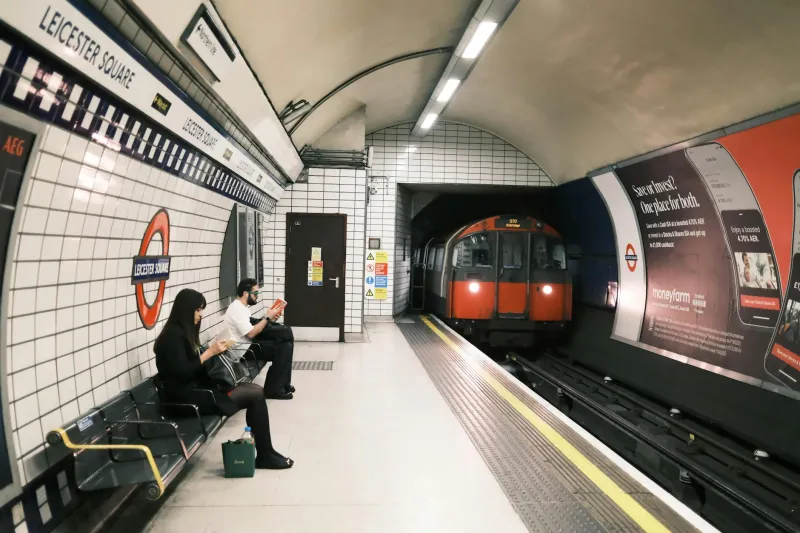
The 7:42 to Victoria Dilemma
Anyone who's endured the morning crush on the Central Line knows the feeling: you're wedged between someone's armpit and a buggy, the train's delayed again, and that familiar nicotine craving starts gnawing at you. Your vape's sitting uselessly in your pocket because, obviously, you can't start puffing away in a packed carriage.
 Photo: Central Line, via image.slideserve.com
For the estimated 2.8 million UK adults who vape, commuting presents a daily challenge that rarely gets discussed in vaping circles. Those Instagram-perfect cloud shots don't capture the reality of needing nicotine during a 90-minute journey from Reading to Liverpool Street.
The Patch Game: Old School but Effective
Nicotine patches might feel like admitting defeat to some vapers, but they're the gold standard for sustained nicotine delivery during long commutes. A 16mg patch provides steady nicotine levels for up to 16 hours, eliminating the peaks and troughs that make tube delays genuinely unbearable.
The downside? Patches take 30-60 minutes to kick in properly, so you need to plan ahead. Slapping one on as you run for the 8:15 won't help with immediate cravings. They also provide zero psychological satisfaction — no hand-to-mouth action, no flavour, no ritual.
Cost-wise, patches work out to roughly £1.50-2 per day, making them pricier than most vaping habits but cheaper than returning to cigarettes. NHS stop-smoking services often provide them free, though you'll need to play along with the "quitting entirely" narrative.
Nicotine Pouches: The Scandinavian Solution
White nicotine pouches have quietly revolutionised discreet nicotine consumption across Europe, and they're perfect for British commuters who need something more immediate than patches. These small, tobacco-free pouches sit between your gum and lip, delivering nicotine within minutes.
Brands like Velo and ZYN offer strengths from 2mg to 11mg per pouch, roughly equivalent to light to strong cigarettes. They're completely odourless and invisible once positioned, making them ideal for crowded transport or stuffy offices.
The learning curve involves finding the right strength and getting used to the tingling sensation. Start with lower strengths — many vapers overestimate their nicotine needs when switching from the rapid delivery of vaping to the slower absorption of pouches.
At around £5 for a tin of 20 pouches, they're cost-competitive with mid-range e-liquids, and one pouch typically satisfies cravings for 30-45 minutes.
Nicotine Gum: The Chewy Compromise
Nicotine gum offers more control than patches but requires proper technique to work effectively. The "chew and park" method — chewing briefly then tucking the gum between cheek and gum — maximises nicotine absorption while minimising the harsh taste that puts many people off.
2mg gum suits light vapers, while 4mg works better for those used to higher nicotine levels. The major advantage is flexibility: you can use pieces as needed rather than committing to 16 hours of steady nicotine like patches.
The downsides include the medicinal taste, potential jaw fatigue from excessive chewing, and the social awkwardness of managing used gum on public transport. Nobody wants to be that person fishing around for somewhere to dispose of their nicotine gum on a busy bus.
Lozenges and Tablets: The Discrete Option
Nicotine lozenges dissolve slowly in your mouth, providing 20-30 minutes of gradual nicotine release. They're more socially acceptable than gum — you're just sucking a mint as far as fellow commuters know — and eliminate disposal issues.
Mini lozenges work faster but don't last as long, while standard lozenges provide extended relief but take longer to start working. The choice depends on your journey length and craving patterns.
Some vapers find the slow dissolution frustrating compared to vaping's immediate satisfaction, but lozenges excel for situations where you need extended nicotine delivery without repeated dosing.
Inhalers: Bridging the Gap
Nicotine inhalers provide the closest alternative to vaping's hand-to-mouth action. These prescription devices deliver nicotine vapour through a plastic mouthpiece, satisfying both chemical cravings and behavioural habits.
Unfortunately, NHS inhalers are designed for smoking cessation rather than ongoing nicotine maintenance, so getting long-term prescriptions requires careful navigation of the healthcare system. They're also more expensive than other alternatives unless you qualify for prescription exemptions.
Strategic Timing and Planning
The smartest commuters don't rely on single solutions but develop strategies combining different nicotine replacement methods. A patch provides baseline coverage, while pouches or gum handle breakthrough cravings during delays or particularly stressful journeys.
Timing matters enormously. If you know your commute includes a 15-minute walk between stations, plan your vaping around those opportunities rather than trying to suppress cravings for the entire journey.
Many experienced commuter-vapers keep emergency nicotine supplies in work bags, coat pockets, and desk drawers. When Transport for London inevitably ruins your day with signal failures, you'll be prepared rather than desperate.
The Bottom Line for Busy Commuters
No nicotine replacement perfectly replicates vaping's immediate satisfaction and flavour variety, but the right combination can make transport-heavy days manageable. The key is experimenting with different options during less stressful journeys to find what works for your specific needs and travel patterns.
Remember that these alternatives aren't admissions of failure — they're practical tools for navigating a world that doesn't always accommodate vaping. The goal is maintaining your nicotine levels without returning to cigarettes or making fellow commuters uncomfortable.
Your morning productivity shouldn't depend on whether the District Line is running on time.
 Photo: District Line, via winterville.co.uk