When the Lights Go Out: Your Emergency Vaping Survival Guide for Britain's Dodgy Power Grid
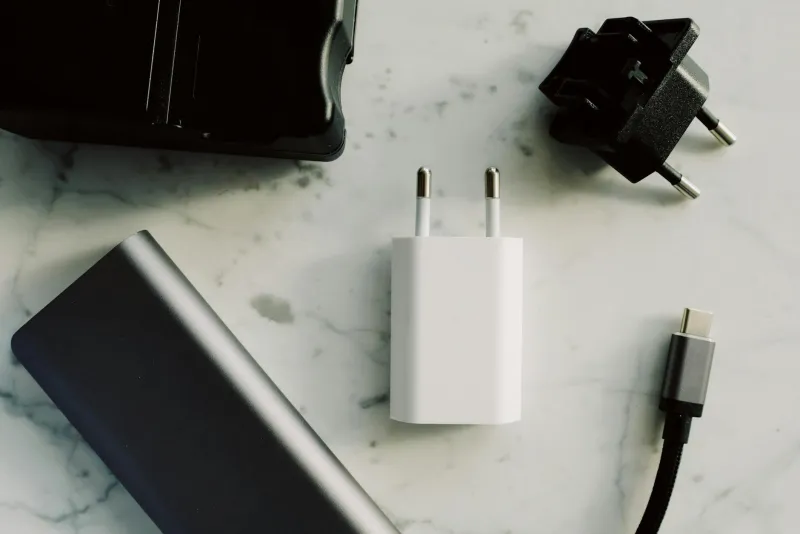
When the Lights Go Out: Your Emergency Vaping Survival Guide for Britain's Dodgy Power Grid
Remember when power cuts were something that happened to other countries? Those quaint days feel rather distant now, don't they? Between soaring energy prices forcing difficult choices and a national grid that's showing its age, many Britons are rediscovering the joys of candlelit evenings — whether they want to or not.
For vapers, this presents a uniquely modern problem: how do you maintain your nicotine routine when your charging infrastructure decides to take an unscheduled holiday? While our grandparents worried about keeping the milk fresh, we're calculating battery percentages and wondering if that power bank has enough juice for another day of uncertainty.
Let's face it — being caught without a working vape during a national inconvenience is peak 21st-century British anxiety. But with a bit of planning and some clever kit, you can weather any electrical storm.
The Great British Power Bank Arsenal
If 2022 taught us anything, it's that backup power isn't just for camping trips anymore. A decent power bank has become as essential as a torch and spare batteries — except your power bank needs to be considerably more sophisticated than the £5 special from the corner shop.
For vaping emergencies, you want a power bank with at least 10,000mAh capacity. This should provide multiple full charges for most devices, keeping you sorted through extended outages. Look for models with multiple USB ports so you can charge your vape alongside your phone (because let's be honest, you'll need both for morale during a proper blackout).
The Anker PowerCore series consistently delivers reliable performance, whilst RAVPower offers excellent value for money. Avoid the temptation to go for the cheapest option — when the lights are out, you want kit you can trust.
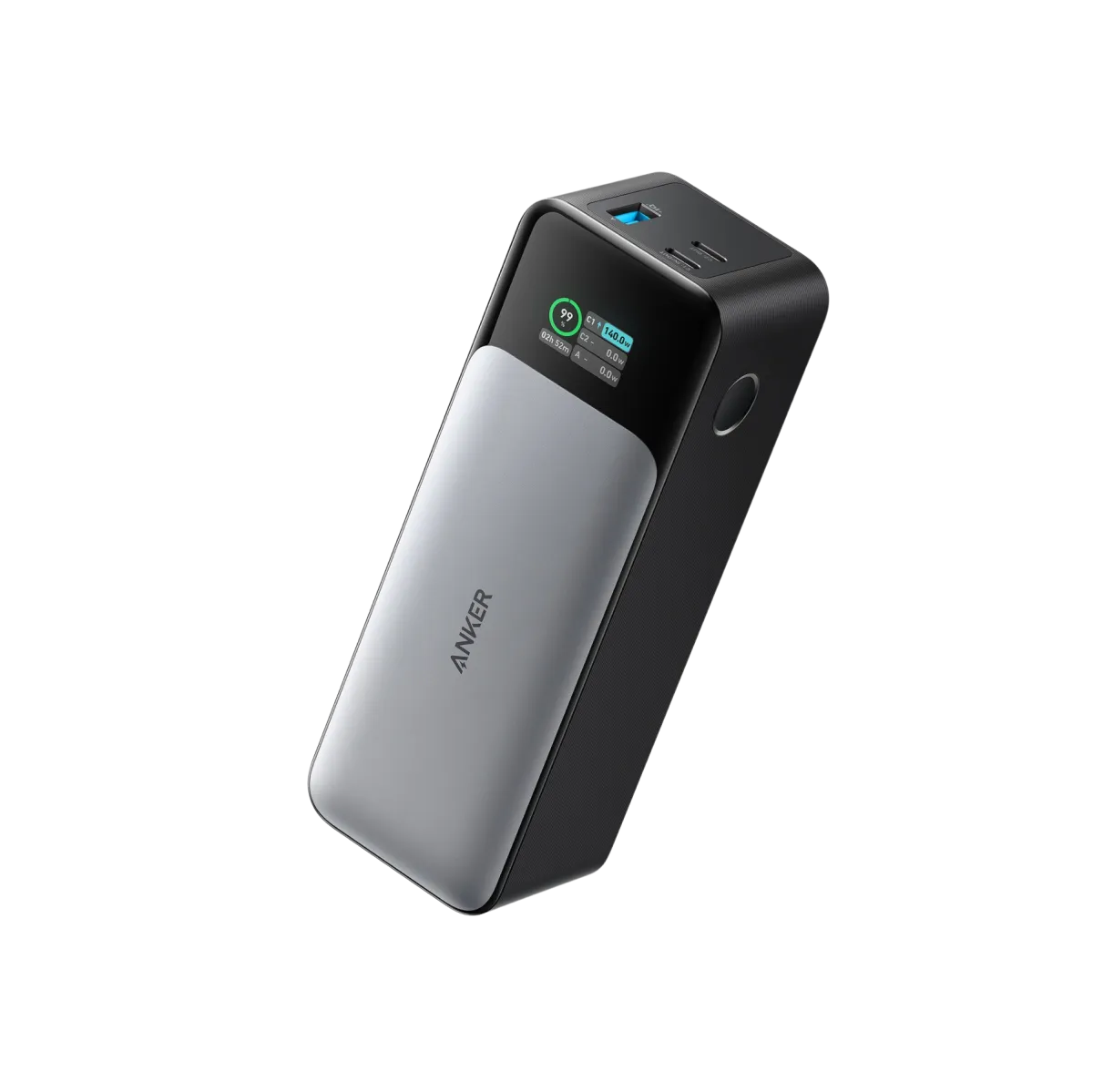 Photo: Anker PowerCore, via cdn.shopify.com
Pro tip: Keep your power bank charged to at least 75% at all times during winter months. There's nothing worse than discovering your emergency backup is as dead as the mains supply.
Solar Solutions: Harnessing Britain's Occasional Sunshine
Solar charging might seem optimistic given our famously reliable weather, but modern solar power banks can charge even during overcast conditions — which is fortunate, since that describes roughly 340 days of the British year.
Solar power banks work best as slow-and-steady backup charging rather than rapid emergency solutions. During extended outages, they can top up your devices gradually, extending your total power availability significantly.
The Goal Zero Nomad series and BigBlue solar chargers perform well in British conditions. They're not miracle workers — you won't be running a desktop vape setup off solar power in January — but they can keep smaller devices ticking over during daylight hours.
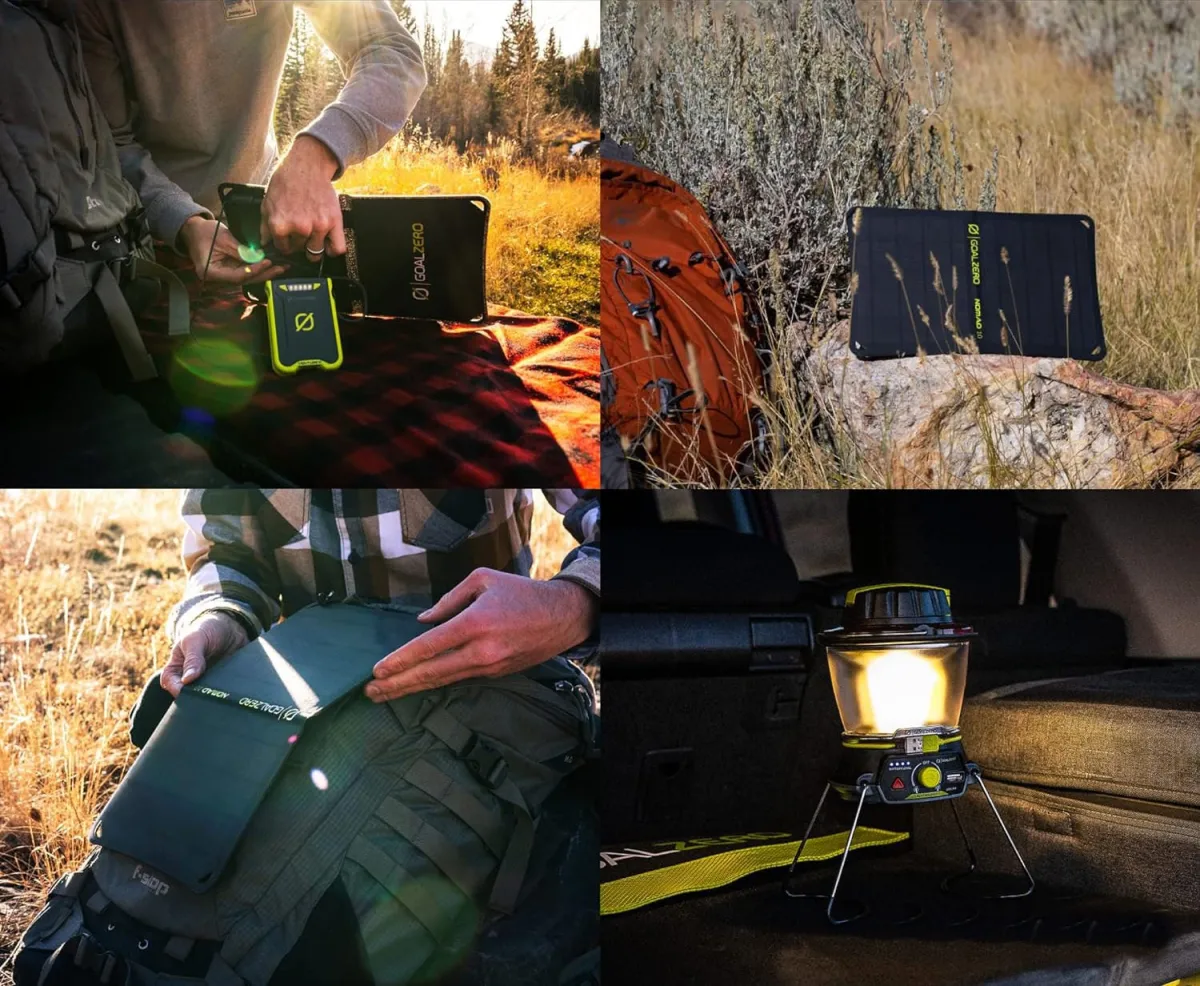 Photo: Goal Zero Nomad, via silodrome.com
Reality check: Solar charging in Britain requires patience and realistic expectations. Think of it as a helpful supplement rather than your primary backup strategy.
Device Hierarchy: Triaging Your Tech When Power is Precious
When electricity becomes a finite resource, you need a clear hierarchy of what gets charged first. Your smartphone probably tops the list (emergency communications and all that), but where does your vape fit in the pecking order?
Most vapers find that their device sits comfortably in second place, especially if they're using vaping as part of a smoking cessation journey. Nicotine cravings don't pause for power cuts, and maintaining your routine helps manage stress during already stressful situations.
Essential charging hierarchy:
- Mobile phone (emergency communications)
- Vape device (health/routine maintenance)
- Torch/lantern (safety)
- Radio (information)
- Tablet/laptop (entertainment/work)
This hierarchy assumes you're dealing with a genuine emergency rather than just avoiding high electricity prices. Adjust accordingly based on your specific circumstances.
Battery Efficiency: Making Every mAh Count
When power is limited, squeezing maximum life from your vape battery becomes crucial. Lower wattage settings dramatically extend battery life — dropping from 60W to 30W can nearly double your usage time.
Similarly, reducing your puff frequency and duration helps preserve power. Instead of constant casual vaping, consider more deliberate sessions that satisfy your nicotine needs efficiently.
Power-saving techniques:
- Lower your wattage settings by 20-30%
- Turn off unnecessary LED displays
- Use shorter, more deliberate puffs
- Switch off devices between sessions
- Keep batteries warm (cold reduces efficiency)
Many modern devices include eco-modes or power-saving features specifically designed for extended use. Familiarise yourself with these settings before you need them.
The Emergency Stash: Building Your Blackout Kit
Beyond power management, consider maintaining an emergency vaping kit for extended outages. This doesn't need to be elaborate — just enough backup supplies to maintain your routine without relying on mains power.
Essential emergency kit:
- Fully charged backup device (preferably with built-in battery)
- Spare charged batteries (if using removable battery devices)
- Power bank with charging cables
- Emergency e-liquid supplies
- Basic maintenance tools
- Torch for any necessary repairs or refills
Store this kit somewhere accessible but separate from your daily supplies. The last thing you want during a power cut is to discover your emergency torch batteries are dead and your backup device hasn't been charged since last winter.
The Disposable Debate: When Convenience Trumps Sustainability
Whilst we generally advocate for rechargeable, sustainable vaping solutions, extended power outages present a unique scenario where disposable devices earn their place. A few quality disposables in your emergency kit provide guaranteed nicotine access regardless of charging infrastructure.
This isn't about abandoning environmental principles — it's about pragmatic emergency planning. A couple of disposables as absolute backup can provide peace of mind and bridge gaps when rechargeable devices fail.
Choose longer-lasting disposables with higher puff counts for better value and reduced waste. Store them properly (cool, dry conditions) and rotate stock periodically to ensure freshness.
Car Charging: Your Mobile Power Station
Your car represents a mobile charging station that many vapers overlook. Modern vehicles can charge devices even when the engine isn't running, and a running engine provides virtually unlimited charging capacity.
Invest in a quality 12V car charger with multiple USB ports. During extended home power outages, periodic car charging sessions can keep all your devices topped up. Just remember to run the engine periodically to avoid draining your car battery.
Car charging safety:
- Never leave devices charging in an unattended vehicle
- Monitor battery levels to avoid draining car battery
- Use quality charging cables to prevent damage
- Keep charging sessions reasonable (30-60 minutes)
Community Resources: The Power of Neighbours
During widespread outages, community cooperation becomes invaluable. Some areas maintain power while others don't, creating opportunities for neighbourly assistance.
Local cafes, libraries, and community centres often have generator power or priority grid connections. Many welcome people charging essential devices during emergencies. Building relationships with local businesses before you need them creates options during actual outages.
Community charging etiquette:
- Ask permission before using public outlets
- Limit charging to essential devices
- Offer to purchase something if using business facilities
- Share information about available charging locations
- Be patient and considerate of others' needs
Planning for the Long Haul: Extended Outage Strategies
Short power cuts are inconvenient; extended outages require genuine lifestyle adjustments. If you're facing days without power, your vaping strategy needs to shift toward conservation and rationing.
Consider reducing your daily nicotine consumption temporarily, focusing on managing cravings efficiently rather than maintaining normal usage patterns. This isn't ideal, but it's better than running out completely during a crisis.
For those using vaping as smoking cessation support, extended outages present particular challenges. Having alternative nicotine sources (gum, patches, or pouches) as emergency backup prevents regression to smoking during stressful situations.
The Silver Lining: Rediscovering Simplicity
Whilst power cuts are undeniably inconvenient, they often remind us how much we depend on constant connectivity and instant gratification. Many vapers discover they actually enjoy the more deliberate, mindful approach to nicotine that limited power enforces.
Using your vape more intentionally — savouring flavours, extending sessions, focusing on the ritual rather than constant consumption — can enhance appreciation for the experience whilst conserving resources.
Some vapers even adopt "power cut protocols" voluntarily, using lower wattages and more mindful consumption as a way to extend device life and reduce overall usage.
Preparing for the Inevitable
Britain's energy situation isn't likely to become more reliable anytime soon. Climate change, infrastructure aging, and economic pressures all suggest that power reliability will remain a concern for the foreseeable future.
Treating power cut preparedness as normal adulting rather than doomsday prepping makes sense in this context. Just as we keep spare toilet roll and tinned food, maintaining charged power banks and emergency supplies has become a reasonable precaution.
The goal isn't to maintain normal consumption during emergencies — it's to avoid nicotine withdrawal adding stress to already difficult situations. With modest preparation and realistic expectations, you can weather Britain's electrical uncertainties without sacrificing your vaping routine entirely.