Penny Dreadful: Breaking Down the 2026 Vaping Duty and What It Means for Your Monthly Spend
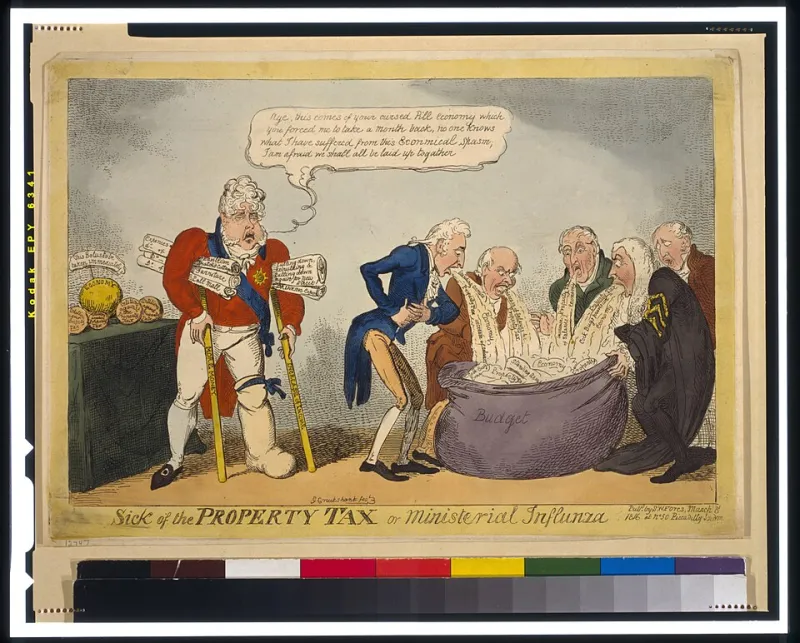
Photo: British Cartoon Prints Collection, Public domain, via Wikimedia Commons
There's a financial storm brewing on the horizon for British vapers, and most people haven't quite clocked how rough it's going to get. The UK government confirmed in the 2024 Autumn Budget that a new Vaping Products Duty will come into force on 1 October 2026, slapping a levy on e-liquids that — when you actually do the maths — adds up to a meaningful chunk of change over the course of a year.
Let's cut through the government-speak and get into what this actually means for your wallet.
What Exactly Is the Vaping Duty?
The new duty will be charged at a flat rate of £2.20 per 10ml of e-liquid, regardless of nicotine strength. That's a single, uniform rate — no tiered system based on how much nicotine is in your bottle. Whether you're puffing on a 0mg freebase or a punchy 20mg salt nic, the taxman wants the same cut.
To put that in context, a standard 10ml bottle of e-liquid currently retails for anywhere between £2 and £5 depending on the brand. The duty alone will add £2.20 to that base cost, and once VAT is applied on top of the new, higher price, the effective increase is even steeper. Budget-conscious vapers who've been picking up three-for-£10 deals are going to feel this one immediately.
For shortfill fans — those 50ml or 100ml bottles that have become a staple for UK vapers trying to keep costs down — the hit is proportionally brutal. A 100ml shortfill will attract £22 in duty before VAT. A bottle that might currently cost you around £10–£12 could realistically land north of £30 once everything is factored in.
Running the Numbers: Before and After
Let's say you're a typical UK vaper getting through roughly 20ml of e-liquid per week. That's just over 100ml a month.
Before October 2026: At current average prices, 100ml a month might cost you around £15–£20 depending on where you shop.
After October 2026: The duty alone on 100ml is £22. Add manufacturing costs, retailer margin, and 20% VAT, and you're realistically looking at £35–£45 for the same monthly supply. That's potentially a doubling of your monthly vaping spend.
Heavier vapers — those going through 30ml or more per week — are staring down even sharper increases. Sub-ohm cloud chasers who burn through liquid at pace could see their monthly costs jump by £50 or more.
Does Stockpiling Actually Make Sense?
It's the question every savvy vaper is already asking: should I be filling the spare bedroom with e-liquid before the duty kicks in?
On paper, the logic is sound. E-liquid has a reasonable shelf life — typically one to two years when stored correctly (cool, dark, away from direct sunlight). If you know your go-to flavours and consume at a predictable rate, buying ahead of the October 2026 deadline could genuinely save you money.
However, there are a few things worth considering before you convert your loft into a vape warehouse:
Storage matters. Nicotine degrades over time, particularly if exposed to heat or light. Poorly stored liquid can taste flat or harsh long before the use-by date.
Your tastes might change. Flavour fatigue is real — as regular Packman Vape readers will know — and committing to large quantities of a single flavour is a gamble.
Cash flow. Tying up a few hundred pounds in e-liquid is only smart if you're confident you won't need that money for something else.
Retailer behaviour. Expect prices to creep up in the months before October 2026 as retailers begin adjusting stock pricing in anticipation. The best deals will likely be in the 12–18 months before the deadline.
The sensible approach? Build a modest stockpile of your trusted everyday liquids — enough for three to four months — rather than going full doomsday prepper.
The Elephant in the Room: Will This Push Vapers Back to Cigarettes?
This is where the policy gets genuinely complicated, and it's the question public health campaigners have been raising loudly since the duty was announced.
Cigarettes are already heavily taxed, and vaping has consistently been positioned — including by the NHS — as a significantly less harmful alternative. The entire logic of encouraging smokers to switch has partly rested on vaping being more affordable than a pack-a-day habit.
If the duty narrows that price gap significantly, particularly for lower-income vapers who are already making budget-driven decisions, the risk of switching back to tobacco becomes very real. A 20-a-day smoker paying £14 for a pack of cigarettes is already making a financial choice every time they reach for their wallet. If vaping stops feeling like the cheaper option, the public health calculation shifts uncomfortably.
Organisations like Action on Smoking and Health (ASH) have flagged this concern, and it's one the government will need to monitor closely once the duty beds in.
What Can You Do Right Now?
You've got time, but not unlimited time. Here's a practical checklist:
- Lock in your favourite liquids. If you find flavours you love, buy in slightly larger quantities now while prices remain pre-duty.
- Watch for early price rises. Some retailers may begin adjusting pricing ahead of the October 2026 deadline — stay alert.
- Consider higher-concentration options. If you're currently using lower-strength e-liquid, exploring nic salts at appropriate strengths might let you consume less liquid overall, reducing the duty impact.
- Keep an eye on budget shortfills. The shortfill market may see significant disruption. Brands that built their reputation on affordability will be under real pressure to adapt.
The 2026 vaping duty isn't going to break the bank for everyone, but it's not nothing either. Getting informed now puts you in the best position to manage the change — rather than getting a nasty surprise when you reach the checkout next autumn.