Wishcycling Won't Save Your Dead Pod: Where Britain's Vapes Actually End Up
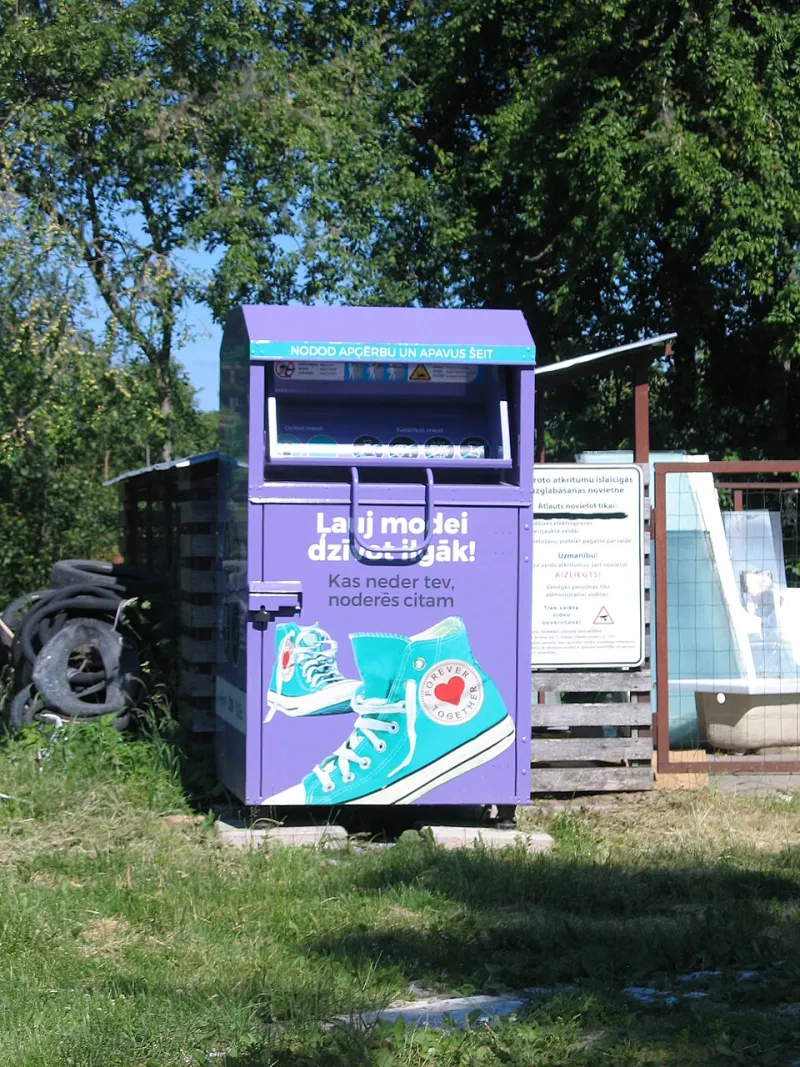
Photo: Андрей Романенко, CC BY-SA 4.0, via Wikimedia Commons
There is a drawer in most British vape households that nobody talks about. It has three dead pods, a coil that tasted of burning by day two, a mod with a cracked 510 thread, and one battery that is slightly fatter than it used to be. It has been there for eighteen months. Every so often you open the drawer, look at it, close the drawer, and think: I will deal with that eventually.
This is about the eventually.
The bin is the worst answer, and not for the reason you think
Most people assume the objection to binning a vape is about landfill. That is part of it, but the sharper problem is fire. Lithium cells do not enjoy being crushed, punctured or compacted, and a bin lorry does all three before breakfast. A damaged cell can short internally and go into thermal runaway — which is a polite way of saying it can shoot flame and vent hot gas inside a steel container full of paper and plastic, with a crew a few feet away.
This is not hypothetical. Waste fires are a real and recurring problem for UK councils, and batteries of all kinds are a known cause. The same applies to the kerbside recycling bin, which gets tipped, sorted, tumbled and compressed. A vape in the mixed recycling is arguably worse than one in the general waste, because it passes through more machinery.
So: not the bin. Not the recycling. Not the garden waste. Not the drawer forever, either.
A vape is five materials pretending to be one object
Part of why vapes are awkward to recycle is that a single device is really several separate problems stacked together. There is the outer shell — often aluminium or ABS plastic. There is the lithium cell, which is genuinely valuable and genuinely hazardous. There is the coil and wick assembly, usually a mix of metal and cotton that has been soaked in e-liquid and cooked. There is the circuit board, with its own small recovery story. And there is residual nicotine, which is a substance you do not want loose in a waste stream.
Because they are glued, press-fitted and generally built to be cheap rather than disassemblable, most vapes cannot be separated economically at the kerb. That is why the honest answer is that there is no perfect consumer route — only better and worse ones.
Shop takeback: the route that actually functions
Here is the good news. UK electrical waste rules mean retailers selling electrical goods have obligations around takeback, and many vape shops run a collection box for used pods, devices and batteries. Some large supermarkets and electrical retailers also operate small electrical and battery collection points near the front of store.
The catch is inconsistency. There is no nationwide, universally available, everyone-knows-about-it scheme for vape waste specifically, so availability depends on where you live and which shops you use. The practical move is to ask. Next time you are buying a bottle of liquid, ask the counter what they do with dead pods. Some shops take them, some do not, and some will take them only if you bought there.
Since the ban on disposable vapes came into force in 2025, the volume flowing into these boxes has changed shape — more pods and refillable devices, fewer all-in-one disposables — but the underlying problem has not gone away. People still finish with things they cannot bin safely.
Councils: a genuine postcode lottery
Household waste recycling centres almost always accept small electrical items and batteries separately. That is the most reliable single answer for most people: bag the vapes, bag the loose cells separately with taped terminals, and take them on your next tip run.
What varies wildly is kerbside collection. Some councils run battery collection — a small bag taped to the top of the bin on collection day — and a few have started accepting small electricals in a separate carrier bag. Others do neither. Check your own council's waste page rather than assuming, because the difference between two neighbouring authorities can be startling.
One iron rule regardless of where you are: never put loose lithium cells in with general rubbish, and never let two cells touch each other in a bag. Tape the ends of each one and keep them separate. A carrier bag full of loose 18650s is a fire waiting for a reason.
Pods, coils and the awkward middle ground
Pods and coils are the hardest category, because they are small, wet, and made of mixed materials with almost no recovery value. Some shops take them back for specialist processing; most do not. Rinsing them under the tap before storage reduces the nicotine residue and the smell, but do not pour e-liquid down the sink or rinse a coil into a drain if you can avoid it.
If you cannot find a takeback point, the least-bad answer is a sealed bag in the general waste for pods and coils alone — never batteries — and a proper collection point for anything with a cell inside. That is not a satisfying answer, but it is an honest one.
What actually moves the needle
The single most effective thing most vapers can do is buy fewer things. A refillable pod system with replaceable coils generates a fraction of the waste of a stack of all-in-one devices, and it costs less over a year too. Beyond that:
- Keep a dead box, not a dead drawer, and empty it monthly at a shop or a recycling centre.
- Tape battery terminals, every time, without exceptions.
- Ask your local shop about takeback — the more people ask, the more likely it becomes standard.
- Check your council page once, write the answer down, and stop guessing.
The drawer is not a recycling scheme. It is a delay. Empty it this month and the whole thing takes about ten minutes.